
Government teams are done experimenting with AI. The new question is simple: what actually gets work done? Google’s answer is Gemini for Government, a full toolkit built to turn AI from a demo into real results.
This guide breaks down Gemini for Government in plain words, what it is, the technology stack behind it, how it keeps data secure, and the results it is already delivering. No jargon, just the key points. Let us get into it.
| 70% of public sector leaders report better productivity | 46% of those say productivity at least doubled |
The Quick Scoop
Short on time? Here is the whole story in one table.
| Question | Answer |
| What is it | A complete, secure AI system from Google Cloud for government |
| The big idea | Move from AI pilots to a real, working AI agent taskforce |
| Who it is for | Public sector teams, from caseworkers to analysts |
| Why it stands out | FedRAMP High security and a no-train data privacy guarantee |
What Is Gemini for Government
Let us start simple. As Google shared in its official announcement, Gemini for Government is a complete, secure AI system built for public sector organizations.
The key word is complete. It is not just one AI model. It is the model plus the secure infrastructure, data tools, defenses, and ready-made apps that a government agency needs to use AI safely at scale.
The goal is a shift. Agencies are moving from simple AI chatbots and one-off pilots to a full agentic taskforce. In this setup, AI agents handle real, multi-step work across the organization.
Quick Take: An AI agent is software that can carry out a task on its own, not just answer a question. Gemini for Government is about putting many of these agents safely to work on everyday government tasks.
The Blueprint: One Integrated AI Stack
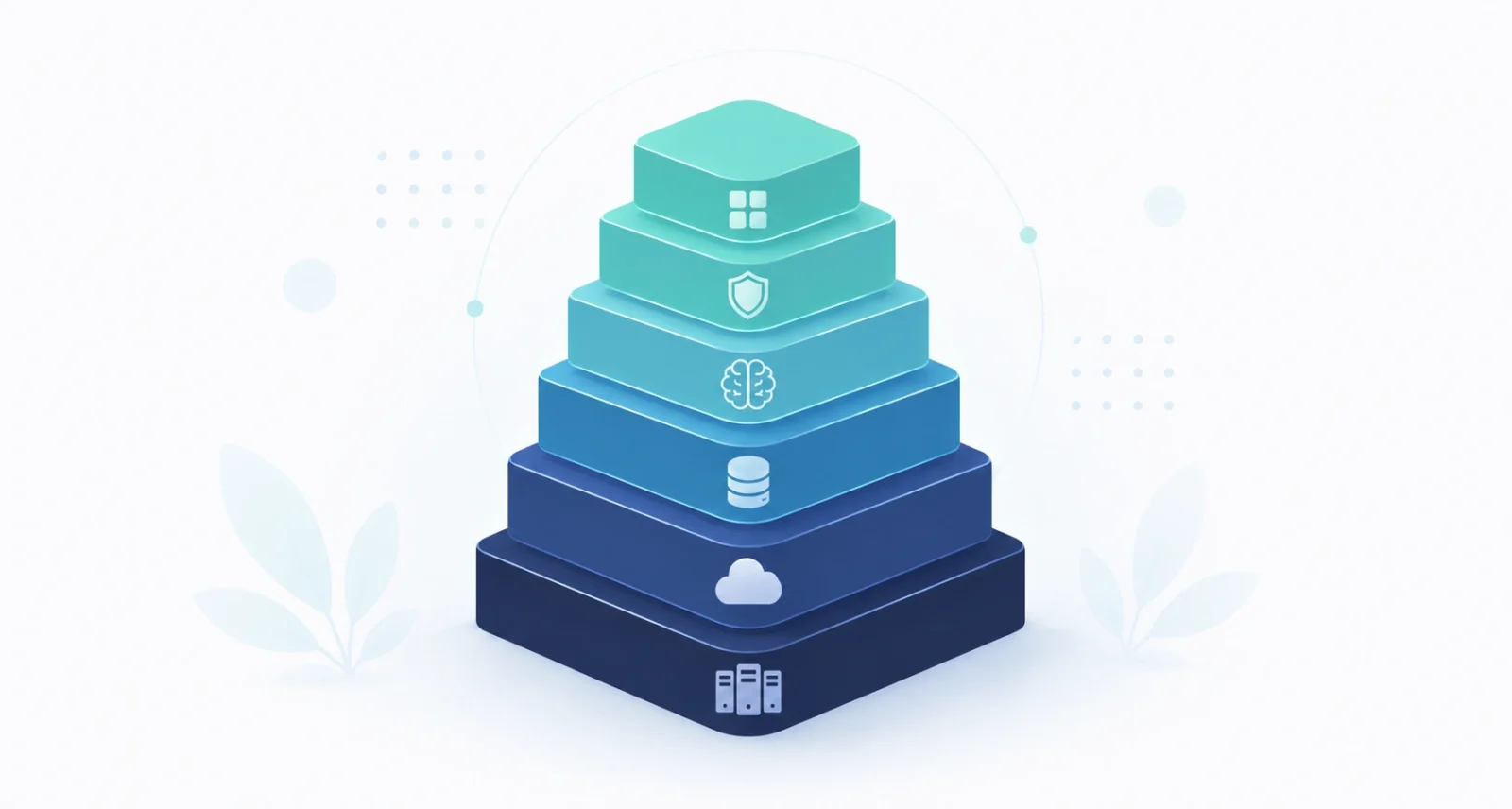
Here is the heart of it. To run AI at scale, you cannot bolt together random tools. Google Cloud offers a single, connected stack where every layer works as one system. Here are the six layers, in plain words.
| Layer 1 | The AI Hypercomputer The powerful foundation, the specialized computers and chips, both GPUs and TPUs, built to run AI at massive scale. |
| Layer 2 | The AI models Google DeepMind research and frontier models, including Gemini 3.5, plus open and third-party options, so you can pick the right brain for the job. |
| Layer 3 | The agentic data cloud This grounds the AI in your real, up-to-date organizational data, so answers are based on your trusted facts, not guesses. |
| Layer 4 | Agentic defense Zero-trust security that protects the whole AI lifecycle, plus Google AI Threat Defense to spot and stop AI-powered attacks. |
| Layer 5 | The Agent Platform The Gemini Enterprise Agent Platform, where teams build, scale, govern, and improve their AI agents in one place. |
| Layer 6 | Ready-made agents and apps Pre-built agents and applications, like Workspace Intelligence, that are ready to help from day one. |
The Simple Version: Think of it as a kitchen, not just a knife. Other tools hand you one gadget. This gives you the whole connected kitchen, the power, the ingredients, the safety, and the recipes, all working together.
Security That Is Built In, Not Bolted On
For government work, security is the mission. Gemini for Government is built on a zero-trust foundation, meaning nothing is trusted by default and everything is checked. A few standout protections make this real.
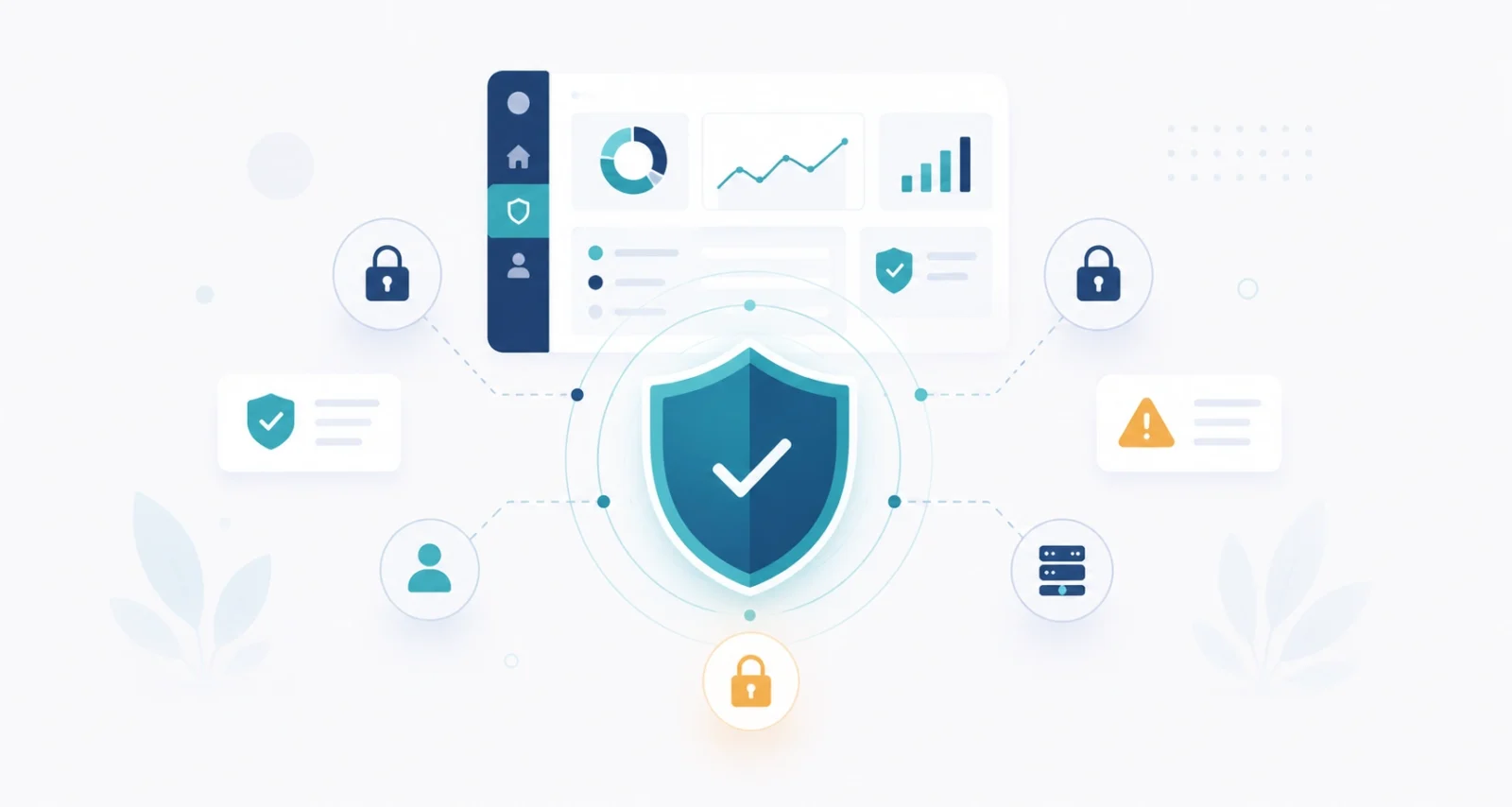
- An AI Control Dashboard, a single screen to see, secure, and audit every AI agent in the organization.
- Model Armor, which guards against prompt injection attacks, sensitive data leaks, and harmful content.
- FedRAMP High authorization, a strict US government security standard for sensitive workloads.
There is also a clear Data Privacy Guarantee: Google does not train its foundational AI models on customer data. For agencies handling sensitive information, that promise is a big deal.
Why It Matters: Many AI worries come down to one question, where does my data go. A clear no-train guarantee plus government-grade security removes the biggest blocker to agencies actually using AI.
Putting AI in Everyone’s Hands
Powerful AI only matters if real people can use it. That is the idea behind Agent Designer, a tool inside Gemini for Government.
With Agent Designer, non-technical staff can build their own AI agents using plain language, with no coding required. A caseworker or analyst can create an agent that connects to existing systems and automates slow, manual tasks.
This is already happening at scale. Google Public Sector was the first to offer an enterprise AI tool, Gemini for Government, through GenAI.mil. It reaches more than three million civilian and military personnel.
Worth Knowing: The point of automating manual tasks is not to replace people. It frees up staff to apply their experience and judgment to the work that truly needs a human.
The Results Are Already Real
This is not just promise, it is paying off. Google points to its own research on the return on AI in the public sector, and the numbers are striking.
- 70 percent of public sector leaders report improved productivity from generative AI.
- Of those, 46 percent say employee productivity has at least doubled.
In practice, that means faster response times, more efficient public services, and better outcomes for the people agencies serve. Tools like the Gemini Deep Research Agent and NotebookLM act as force multipliers for heavy research and analysis.
The Bottom Line: Gemini for Government is a blueprint to move past AI experiments and into real, secure, large-scale use. Used well, it amplifies what government teams can do and speeds up the decisions that matter.
Frequently Asked Questions
What Is Gemini for Government
Gemini for Government is a complete, secure AI system from Google Cloud built for public sector organizations. It combines AI models, secure infrastructure, data tools, defenses, and ready-made apps. That lets agencies move from AI pilots to large-scale use of AI agents that handle real work.
What Is the Google Cloud AI Stack
It is an integrated set of six layers that work as one system. They are the AI Hypercomputer infrastructure, the AI models, the agentic data cloud, agentic defense for security, the Gemini Enterprise Agent Platform, and ready-made agents and apps. Together they let agencies run AI agents at scale.
Is Gemini for Government Secure
Yes, security is central. It is built on a zero-trust foundation with FedRAMP High authorization. It also has an AI Control Dashboard to oversee every agent, and Model Armor to block prompt injection and data leaks. Google also guarantees it does not train its foundational models on customer data.
What Is Agent Designer
Agent Designer is a tool in Gemini for Government that lets non-technical staff build their own AI agents using plain language, with no coding. Workers can create agents that connect to existing systems and automate slow, manual tasks. This frees them to focus on higher-value work.
Does Google Train Its AI on Government Data
No. Gemini for Government includes a Data Privacy Guarantee stating that Google does not train its foundational AI models on customer data. This is a key protection for agencies that handle sensitive or private information and need to keep it fully under their control.
What Results Has Gemini for Government Delivered
According to Google’s research, 70 percent of public sector leaders report improved productivity from generative AI. Of those, 46 percent say employee productivity has at least doubled. This translates into faster response times and more efficient public services.
What Is an AI Agent
An AI agent is software that can carry out a task on its own, not just answer a question. Instead of only replying in a chat, an agent can take steps, connect to systems, and complete multi-step work. That is why agencies are moving from chatbots to a full agentic taskforce.
How Do Agencies Get Started With Gemini for Government
Agencies can work with Google Public Sector to adopt the integrated stack and tools like Agent Designer. Google also runs webinars and shares guidance on scaling AI use cases securely. So teams can map a clear path from early pilots to organization-wide impact.

