
You notice a strange red patch on your skin. What is it? Most of us reach for a search engine. But it is hard to search for something when you do not know its name. New research from Google looks at whether AI can help with exactly that problem.
The findings are fascinating, and a little surprising. Here is what the research found, explained simply, so anyone can follow it.
Heads Up: This article explains a research study. The AI tools described are research prototypes, not products, and they are not a diagnosis. If you have a skin concern, always see a qualified doctor.
| 23% named the condition with AI, vs 8% without | 2,345 people in the main study | 92% of clinicians found the app helpful |
The Short Version
- Google researchers tested whether AI can help everyday people understand their skin questions, covering skin, hair, and nails.
- With AI help, people were about three times better at naming a skin condition than with a normal web search.
- But knowing the name was not enough. People still struggled to decide the right next step, like whether to see a doctor urgently.
- The AI was built to help people search and understand, not to diagnose or tell them what to do.
Quick Take: The big idea is simple. AI is good at helping you put a name to what you are seeing, which is a great start. Deciding what to do about it still needs a real doctor.
The Problem: Searching Without the Right Words
Let us start with why this matters. As Google Research explains, more than half of adults look up health information online, and about one in three now turn to AI for it.
The trouble is, skin issues are hard to describe. You might see red dots on your legs, but a doctor would call that something far more technical. Without the right words, a normal search can send you in circles.
That gap is the heart of the research. Can AI help bridge the distance between what you see and what it is actually called?
Why It Matters: Getting good health information is not just about access. It is about understanding. If you cannot name a problem, it is hard to learn about it or to explain it clearly to a doctor.
Study One: Can AI Help People Name a Condition
In the first study, published in JAMA Dermatology, Google showed 2,345 people real, anonymized skin cases. Each case had a photo and a short medical history. People were asked to imagine the case was their own and to figure it out. They were split into three groups.
The first group used normal tools, like a standard web search. A second group used a prototype AI that showed a short list of possible matching conditions, each with textbook photos and details. A third group used the same AI look, but its answers were secretly written by real dermatologists, to show the best case.
What They Found
The AI made a clear difference. People were much more willing to even attempt a name, and far more likely to get it right.
| Result | Normal Search | With AI |
| Willing to name the condition | 41% | Over 62% |
| Named it correctly | 8% | 23% |
That is nearly three times better at naming the condition. People also felt more confident and more satisfied with their search. When the answers came from the dermatologist-written best-case version, accuracy rose to 36 percent, still far from perfect.
The Key Fact: With AI help, correct naming jumped from 8 percent to 23 percent. Putting a name to a skin concern is exactly where the AI helped most.
The Catch: Naming Is Not the Same as Knowing What to Do
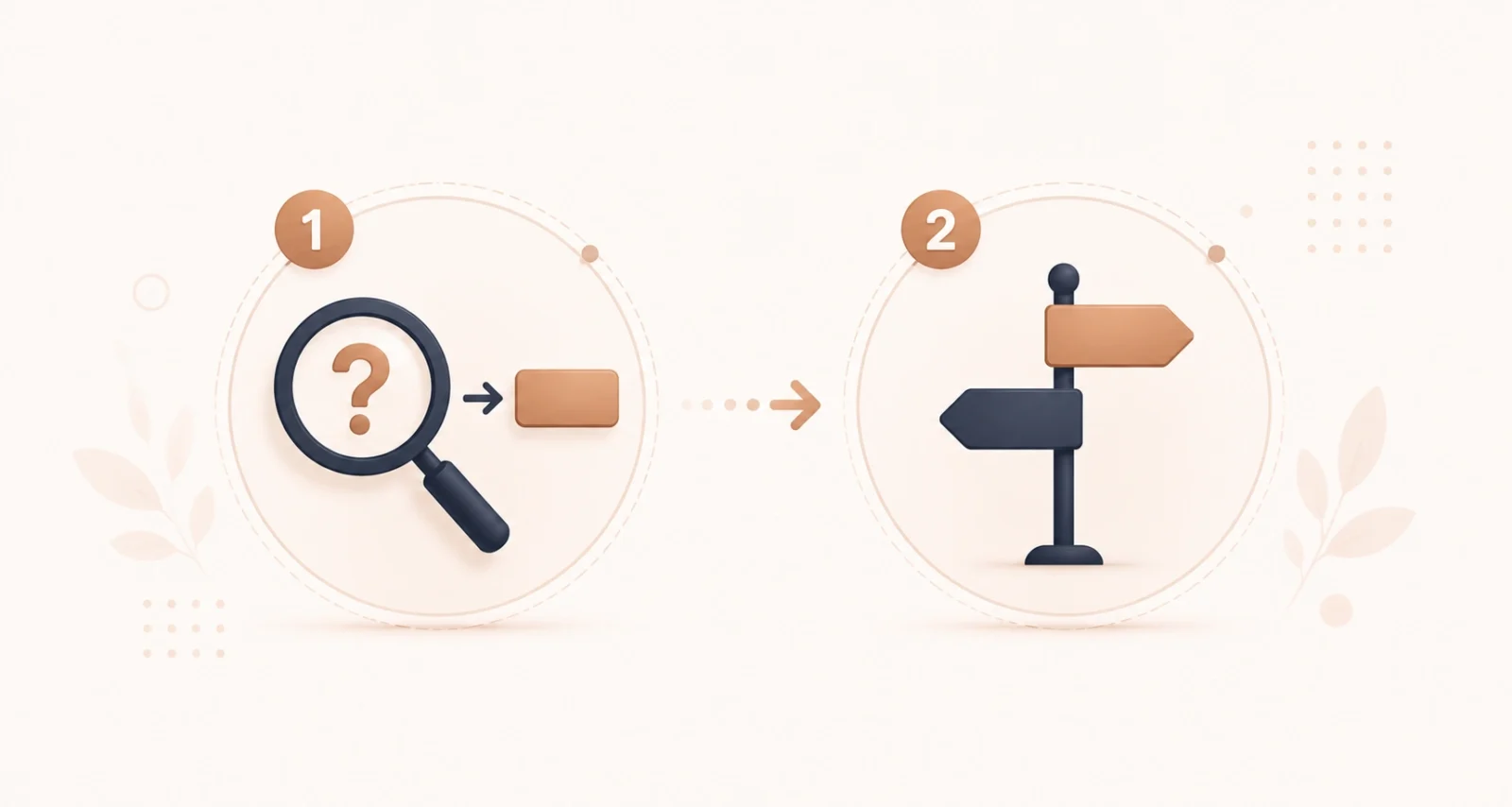
Here is the surprising part, and the most important one. Even when people could name a condition, they still struggled to decide the right next step. Should you try a home remedy, or get to a clinic quickly?
On that question, the AI did not help much. Deciding the safest next step stayed difficult. People using the AI were even slightly more likely to pick a less urgent step than a doctor would recommend.
The researchers were careful here. They built the AI to help people search and understand, not to diagnose or to tell them what to do. The information was general, not tailored to how severe a specific case looked.
Worth Knowing: This is the study’s most valuable lesson. Identifying a condition is a helpful first step, but it is not enough on its own. Knowing what to do about it is where a real doctor remains essential.
Study Two: Testing It With a Real Community
Numbers from a survey are useful, but Google also wanted to see how this works for real people with real concerns. So a second study, run with Stanford and a local health plan, tested an AI app with 110 people who had active skin concerns.
This group was diverse, and many relied on a healthcare safety net. To include everyone, the app was translated into four languages, with helpers on hand to assist. Each person used the app, then spoke with a clinician right after.
What Stood Out
- People got much better at naming their condition, an increase of 260 percent, though the overall correct rate was still low.
- People leaned heavily on matching textbook photos to their own skin, which shows why images across many skin tones and body parts matter.
- Clinicians said the app’s suggestions matched their own assessment 86 percent of the time.
- Clinicians found the app helpful 92 percent of the time, often using it as a shared screen to talk things through with the patient.
The Cool Part: One of the best uses was not solo at all. Doctors and patients looked at the app together, and it became a helpful starting point for a clearer conversation.
What This Means for the Future
So where does this leave us? The research paints a hopeful but careful picture of how AI might help with everyday health questions.
- Starting with a picture lowers the barrier, since you do not need the right medical words to begin.
- Showing many textbook examples helps people pattern-match what they are seeing.
- Combining images and text works better than either one alone, which is what people preferred.
- Tools still need clearer, more specific guidance on what to actually do next.
The Bottom Line: AI could become a friendly first step that helps you understand a skin concern and talk to your doctor about it. It is a guide to understanding, not a replacement for care.
Frequently Asked Questions
Can Google AI Diagnose Skin Conditions
No. The tools in this research are prototypes built to help people understand and search for information, not to diagnose. The researchers deliberately designed them to avoid being prescriptive, and they stress that people should still see a qualified doctor for any skin concern.
What Did the Google Skin AI Research Find
It found that AI help made people about three times better at naming a skin condition than a normal web search. Correct naming rose from 8 percent to 23 percent. However, it did not clearly help people decide the right next step, such as whether to seek urgent care.
How Many People Were in the Study
The main survey study included 2,345 participants who reviewed anonymized skin cases. A second, real-world study was run with Stanford and a local health plan. It included 110 people who had active skin concerns and used an AI app before speaking with a clinician.
Why Is Naming a Skin Condition So Hard
Because most people do not know the medical terms. You might see red dots on your legs without knowing the technical name a doctor would use. Without the right words, a normal search is difficult, which is the gap this AI research set out to address.
Did Doctors Find the AI App Useful
Yes. In the community study, clinicians said the app’s suggestions matched their own assessment 86 percent of the time. They found the app helpful 92 percent of the time. They often used it as a shared reference to discuss the concern with the patient.
Does the AI Tell You What to Do Next
Not really, and that is a key finding. Identifying a condition did not reliably help people choose the safest next step. The researchers say there is still work to do so tools can better guide people. That is why a doctor remains essential.
Why Does Skin Tone Matter for These Tools
People relied heavily on matching example photos to their own skin. So the examples need to cover a wide range of skin tones, severities, and body parts. Without that variety, the tool may not help everyone equally, which is why diverse images are important.
Is This a Product I Can Use Now
No. This is published research using prototype tools, not a consumer product. The work is meant to study how people understand AI health information and how to improve these tools. Future versions could one day support people more safely.

