Health Disclaimer: This article is for general information only and is not medical advice. Fiber needs and tolerances vary from person to person. If you have a digestive condition or any health concern, please speak with a qualified healthcare professional before making big changes to your diet.
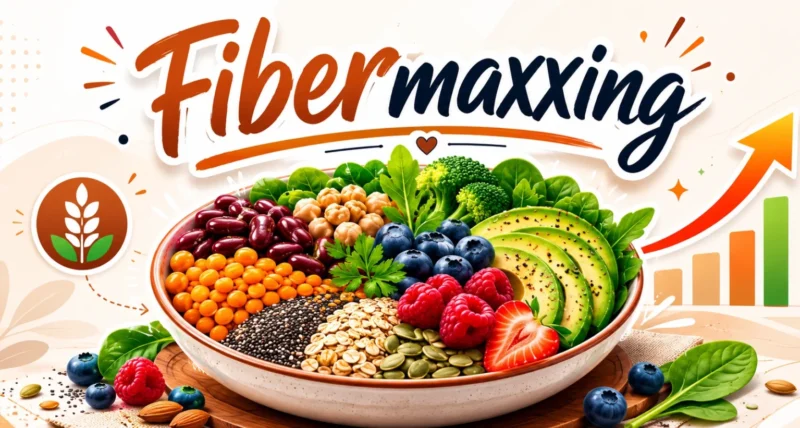
Fiber spent years as the most boring word in nutrition. Now it is everywhere. Fibermaxxing, the practice of intentionally maxing out your daily fiber, has taken over social feeds in 2026, and for once the experts are nodding along. The reason is simple. Most people genuinely do not eat enough fiber, and this trend pushes more whole plants onto the plate. Here is what fibermaxxing means, 15 foods to try, and how to do it without the bloat.
| Quick Answer Fibermaxxing means deliberately increasing your daily fiber, usually by eating more whole plant foods like beans, lentils, seeds, fruits, and vegetables. The trend took off because most adults fall short of the recommended 25 to 38 grams of fiber a day. Experts broadly support it when the fiber comes from whole foods, but they caution against adding too much too fast. Increase fiber gradually and drink plenty of water to avoid gas and bloating. |
Key Takeaways
- Fibermaxxing is the trend of maximizing daily fiber, mostly through whole plant foods.
- More than 90 percent of women and 95 percent of men fall short of fiber goals, per US dietary data.
- Adults generally need about 25 to 38 grams of fiber a day, depending on age and sex.
- Fiber may support digestion, heart health, blood sugar, and a feeling of fullness.
- Add fiber slowly, hydrate well, and check with a doctor if you have a digestive condition.
What Is Fibermaxxing?
Fibermaxxing is the practice of deliberately eating as much fiber as you can in a day, usually aiming to meet or exceed the recommended intake. The name borrows from gaming slang, where to “max” a stat means to push it to its highest level.
As registered dietitian Tara Schmidt of the Mayo Clinic describes it, fibermaxxing is essentially trying to eat a lot of fiber to meet, and often exceed, the daily recommendation. Most people doing it focus on whole foods, sometimes through fun “eat 30 plants a week” challenges. You can read the Mayo Clinic’s take on fibermaxxing for the full expert view.
| Worth Knowing Unlike many viral diets, fibermaxxing is about adding food, not restricting it. The goal is more plants on your plate, which is why so many nutrition experts are comfortable with it. |
Why Are Searches Exploding?
A few forces pushed fibermaxxing into the spotlight this year. First, it follows the long wave of interest in high-protein eating, with fiber now getting its turn. It is also one branch of the wider maxxing trend, the internet habit of maximizing one area of life at a time.
- A real nutritional gap. US dietary data shows most adults eat far less fiber than recommended, so the message lands.
- Gut health is mainstream. People increasingly link gut function to mood, immunity, and overall wellbeing.
- The GLP-1 connection. Fiber may help the body release GLP-1, the same appetite hormone targeted by some weight-loss medications.
- Colon cancer awareness. Rising rates in younger adults have drawn attention to fiber-rich diets.
Public broadcaster NPR noted that nutrition experts can largely get behind this trend, a rare thing in the wellness world. You can hear their expert breakdown on NPR for more.
What the Science Says About Fiber
Fiber is the part of plant foods your body cannot fully digest. It passes through the gut largely intact, and that simple fact drives most of its benefits. There are two main types, and most foods have a mix of both.
| Type | What It Does | Found In |
| Soluble fiber | Forms a gel, may lower cholesterol and steady blood sugar | Oats, beans, apples, avocado, citrus |
| Insoluble fiber | Adds bulk and helps move stool through the gut | Whole grains, nuts, leafy greens, seeds |
According to the Mayo Clinic, a fiber-rich diet is linked with easier digestion, a lower risk of heart disease, and a possible lower risk of colorectal cancer. Some fiber also feeds the helpful bacteria in your gut. These are associations from research, so think of fiber as one healthy habit among many, not a cure.

15 High-Fiber Foods to Try
These are some of the most fiber-dense whole foods, with figures based on the Mayo Clinic’s high-fiber chart and US nutrition data. Fiber content can vary by brand, ripeness, and preparation, so treat these as helpful estimates.
| Food | Serving | Fiber (approx.) |
| Split peas, cooked | 1 cup | 16 g |
| Lentils, cooked | 1 cup | 15.6 g |
| Black beans, cooked | 1 cup | 15 g |
| Lima beans, cooked | 1 cup | 13 g |
| Chickpeas, cooked | 1 cup | 12.5 g |
| Artichoke, cooked | 1 medium | 10 g |
| Avocado | 1 medium | 10 g |
| Green peas, cooked | 1 cup | 9 g |
| Raspberries | 1 cup | 8 g |
| Chia seeds | 1 ounce | 10 g |
| Ground flaxseed | 2 tbsp | 8 g |
| Oatmeal, cooked | 1 cup | 4 g |
| Broccoli, cooked | 1 cup | 5 g |
| Pear, with skin | 1 medium | 5.5 g |
| Almonds | 1 ounce | 3.5 g |
Beans and lentils lead the pack, which is why they anchor most fibermaxxing plates. For more on these, see our guide to protein-rich pulses for weight loss. Seeds like chia and flax are an easy win too, since a spoonful folds 8 to 10 grams into oatmeal or yogurt.
| Quick Tip Swapping white rice for a whole grain is one of the simplest upgrades. Our comparison of brown rice versus white rice shows why the whole-grain version adds useful fiber to everyday meals. |
How Much Fiber Do You Actually Need?
Most adults need about 25 to 38 grams of fiber a day, which works out to roughly 14 grams for every 1,000 calories you eat. Women generally aim for the lower end and men for the higher end. The American Heart Association suggests around 28 grams daily as a simple target.
| Group | Suggested Daily Fiber |
| Women under 50 | About 25 g |
| Women 50 and older | About 21 g |
| Men under 50 | About 38 g |
| Men 50 and older | About 30 g |
Figures are general guidelines from US and heart-health bodies and may vary by individual needs.
Is Fibermaxxing Safe?
For most healthy people, increasing fiber from whole foods is safe and may be beneficial. The main issues come from doing too much, too fast. Experts say jumping straight to very high amounts, sometimes 50 grams or more, can cause gas, bloating, cramping, or constipation.
| Important Caution Fibermaxxing is not right for everyone. People with conditions such as irritable bowel syndrome, diverticulitis, Crohn’s disease, gastroparesis, or a history of bowel obstruction should talk to a healthcare professional before significantly raising their fiber intake. When in doubt, ask your doctor first. |
There is also a balance point. A small number of clinicians note that pushing fiber extremely high may bring discomfort without clear added benefit. As with most nutrition, more is not always better, and variety matters more than chasing a giant number.
How to Fibermaxx Without the Bloat
The trick is a slow, steady build rather than an overnight overhaul. These simple steps help your gut adjust comfortably.
- Go slow. Add fiber over weeks, not days. Try one new high-fiber food at a time, such as flaxseed in a smoothie this week.
- Drink more water. Fiber absorbs water, so increasing fluids helps prevent constipation as your intake climbs.
- Spread it out. Aim for a few fiber sources across the day rather than one huge fiber-heavy meal.
- Eat the rainbow. Different plants feed different gut microbes, so variety beats relying on a single source.
- Choose whole foods first. Whole foods bring vitamins and minerals that supplements do not, so use powders only to fill small gaps.
| Worth Knowing A good everyday goal many dietitians suggest is five different fiber sources a day. An apple, some carrots, a handful of nuts, a serving of beans, and a bowl of oats can get you there without any single meal feeling heavy. |
Fibermaxxing is that rare viral trend with real substance behind it. Because most people fall short on fiber, eating more whole plants is a sensible, expert-backed move that may support your gut, heart, and overall health.
The key is patience. Build up slowly, drink plenty of water, lean on whole foods, and aim for variety. If you have a digestive condition, check with your doctor first, then enjoy the simple win of more plants on your plate.
| Your Move Want more simple, science-minded health reads? Browse our Health section for clear, practical guides. |
Frequently Asked Questions
What is fibermaxxing?
Fibermaxxing is a nutrition trend where people deliberately increase their daily fiber, usually through whole plant foods like beans, lentils, seeds, fruits, and vegetables. The aim is to meet or exceed the recommended daily fiber intake.
Is fibermaxxing actually healthy?
For most healthy people, eating more fiber from whole foods may support digestion, heart health, and fullness. Experts broadly approve of the trend, as long as you increase fiber gradually and stay well hydrated.
How much fiber should I eat per day?
Most adults need about 25 to 38 grams a day, or roughly 14 grams per 1,000 calories. Women generally aim for the lower end and men for the higher end, though individual needs vary.
Can you eat too much fiber?
Yes. Very high intakes, especially added too quickly, can cause gas, bloating, cramping, or constipation. Some clinicians note that going far beyond recommendations may bring discomfort without clear added benefit.
Which foods are highest in fiber?
Legumes lead the way. Split peas, lentils, and black beans each offer around 15 grams per cooked cup. Chia seeds, avocado, artichokes, raspberries, and ground flaxseed are also strong sources.
Should I use fiber supplements?
Whole foods are generally the better choice, since they also provide vitamins, minerals, and other nutrients. Supplements can help fill small gaps, but most experts recommend a food-first approach.