The bosses of the biggest AI companies do not agree on much. So when the leaders of OpenAI, Anthropic, Google DeepMind, and Microsoft AI all sign the same letter, it is worth a look.
In June 2026, those rivals put their names on one document warning that AI is making an old biosecurity loophole more dangerous. The good news for you: it is not about the chatbots you use, and it changes nothing about your day. Here is what the letter actually says, who signed it, and why it still matters to ordinary people.
The 20-second version: AI and science leaders signed an open letter asking the U.S. Congress to make one safety step a legal requirement. Companies that sell custom made DNA by mail should have to screen what is ordered and who is ordering it. Right now that screening stays voluntary. The letter does not say AI can build a weapon today. It says AI is chipping away at the knowledge barriers that used to keep dangerous biology out of reach, so a cheap, sensible safeguard should become law. Nothing about this affects your daily life or the AI tools you use.
1. What Just Happened
A group of AI leaders, scientists, and former defense officials signed a public open letter in June 2026. The letter carries the title An Open Letter in Support of Mandatory Nucleic Acid Synthesis Screening and Recordkeeping. Two Washington policy groups, the Institute for Progress and the Foundation for American Innovation, organized it.
In plain English, the letter asks Congress to pass a law. The law would require companies that make and mail custom DNA to check every order and every customer before shipping. That check aims to stop dangerous genetic material from reaching the wrong hands.
Why this matters: It is rare for fierce competitors to agree on anything. When AI rivals, Nobel winning scientists, and the DNA industry itself all back the same rule, it signals a genuine consensus rather than one company's agenda.
2. Who Signed It
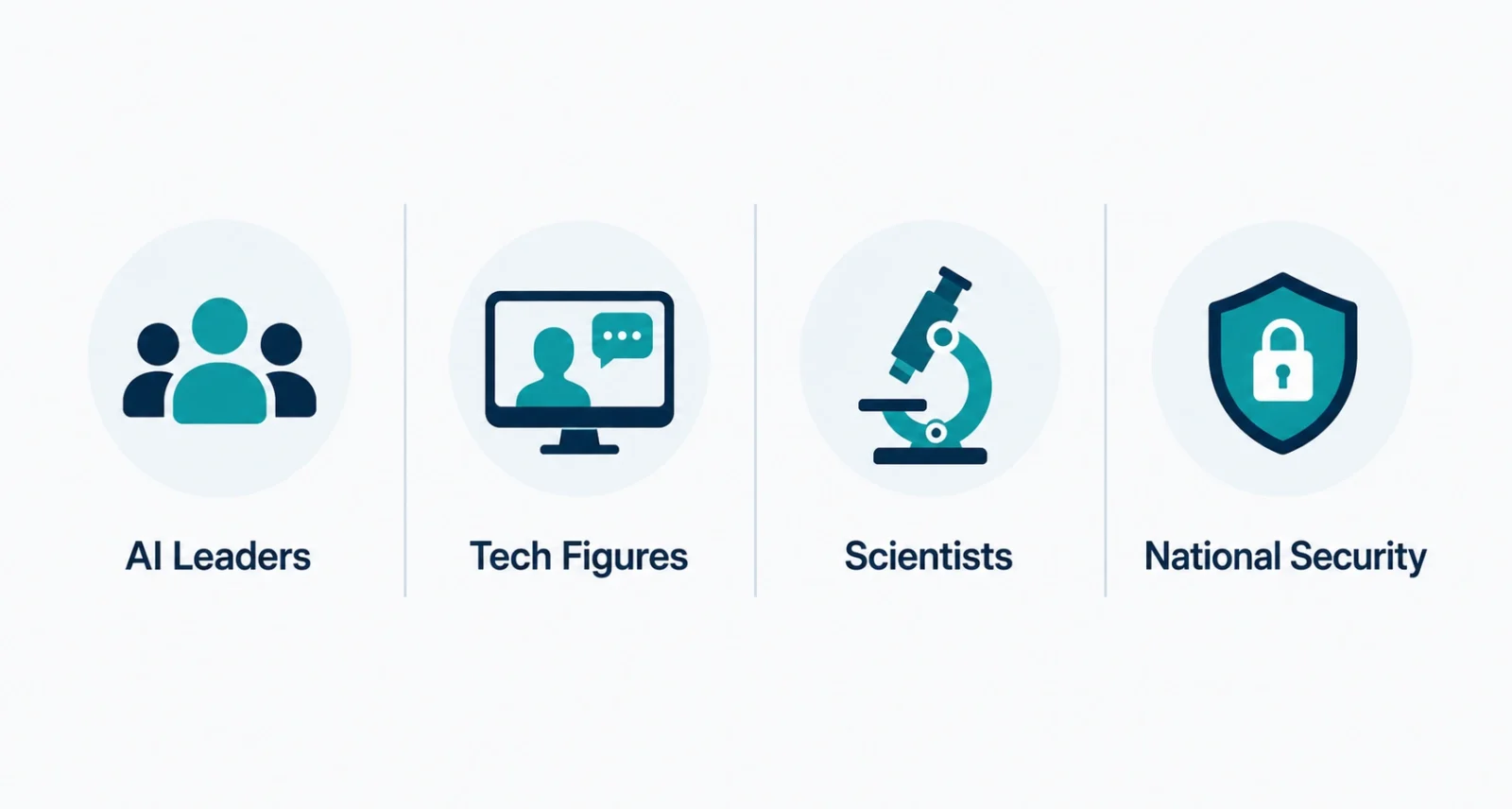
The signers fall into four groups, which is part of why the letter carries weight.
- AI leaders: Sam Altman of OpenAI, Dario Amodei of Anthropic, Demis Hassabis of Google DeepMind (also a Nobel laureate in Chemistry), Mustafa Suleyman of Microsoft AI, and Alexandr Wang of Meta.
- Tech figures: Eric Horvitz of Microsoft, Y Combinator founder Paul Graham, and Stripe’s Patrick Collison.
- Scientists: Nobel laureate David Baker, MIT’s Kevin Esvelt, and Stanford’s David Relman.
- National security veterans: former Army Secretary Christine Wormuth, former Navy Secretary Richard Danzig, and former Assistant Secretary of Defense Andy Weber.
Note: the signatory list can grow over time. The letter lists affiliations to identify people, not to imply their employers officially endorse the letter.
3. The Loophole, Explained Simply
Scientists often order custom strands of DNA online, and a company mails the physical material back. This is normal and useful. It speeds up vaccines, medicine, and everyday research.
The catch is that this same pipeline is a known weak spot. Many providers already screen orders voluntarily through an industry group, but the law does not require screening. So a slice of the market may not check orders at all.
The honest caveat: The letter is careful here, and so are we. It does not claim AI can create a biological weapon today. It says the evidence about present day risk is genuinely mixed. The worry is about the direction of travel, not a threat sitting on your doorstep right now.
Where AI Fits In
The letter points to one shift: modern AI can now answer expert level technical questions, and the signers say AI systems can outperform PhD level virologists on certain highly technical lab questions. The concern is that AI could lower the know how barrier that has long kept dangerous biology out of amateur hands. That is why AI leaders feel they should speak up now.
4. What the Letter Actually Asks For
Strip away the headlines and the request is narrow and practical. The letter asks Congress to require three things from companies that make synthetic DNA, and from the makers of the machines that print it.
- Screen every order for sequences of concern before shipping.
- Verify the customer is legitimate, so material does not go to bad actors.
- Keep records of orders, so they can trace any problem later.
The signers urge lawmakers to act this session, and they suggest states adopt consistent standards too. That is the whole ask. It is a supply chain rule, not a sweeping new AI law.
5. What This Means for You
Here is the part that matters most for everyday readers. The short answer is that very little changes for you, and that is by design.
- Your chatbots stay unaffected. This is about mail order DNA, not the AI apps you use. Major AI tools already refuse this category of request.
- Your daily life does not change. The proposed rule applies to a small set of specialist companies, not to consumers.
- The benefit is preventive. Think of it like a smoke detector for the DNA supply chain, a quiet safeguard you never interact with but are glad exists.
- It is still just a proposal. The letter is advocacy. No law exists yet, so the real test is whether Congress acts.
Quick tip: If you want to follow the real outcome, watch for a bill called the Biosecurity Modernization and Innovation Act of 2026. That is the actual legislation that would turn this idea into law.
6. The Bigger Picture
This letter did not come out of nowhere. The AI labs have been flagging biological risk themselves. In 2025, Anthropic switched on stronger safeguards for one of its Claude models as a precaution, and OpenAI said it expected future models to reach a higher biological risk level under its own safety framework.
There is also a policy gap. A federal screening framework existed under the previous administration, but a 2025 executive order ordered it revised, and regulators have not finalized a replacement. A bipartisan bill from Senators Tom Cotton and Amy Klobuchar now aims to fill that gap, which is likely the effort the letter is cheering on.
Worth knowing: Even supporters admit screening is not a magic fix. It can miss brand new sequences and very short DNA fragments. The letter works best as one strong layer of defense, not the only one. That honesty is part of why it reads as credible rather than hype.
Frequently Asked Questions
What is the OpenAI and Anthropic biological weapons letter?
It is a June 2026 open letter signed by AI leaders, scientists, and former defense officials. It asks the U.S. Congress to make DNA order screening a legal requirement, so companies that mail custom genetic material must check what is ordered and who is ordering it.
Does the letter say AI can build a bioweapon now?
No. The letter says present day evidence is mixed. Its concern is that AI is gradually lowering the knowledge barriers that historically kept dangerous biology out of reach, so a sensible safeguard should become law before risks grow.
Who signed the letter?
Signers include Sam Altman of OpenAI, Dario Amodei of Anthropic, Demis Hassabis of Google DeepMind, and Mustafa Suleyman of Microsoft AI, alongside Nobel laureate scientists, DNA industry executives, and former U.S. defense officials.
Does this affect ChatGPT, Claude, or other AI tools I use?
No. The letter targets the mail order DNA supply chain, not consumer AI apps. Major AI tools already refuse requests in this category, so your daily use of chatbots is unaffected.
What exactly does the letter want?
A federal law requiring DNA synthesis companies, and makers of the machines, to screen orders for sequences of concern, verify customers before shipping, and keep records so any problem can be traced.
Is this now a law?
Not yet. The letter is advocacy. A bipartisan bill, the Biosecurity Modernization and Innovation Act of 2026, is the legislation to watch to see whether the idea becomes law.