
A surprise car repair. An unexpected medical bill. A sudden drop in hours at work. Life has a way of throwing costly curveballs, and without a cushion, even a small one can send your finances into a spiral. That cushion is called an emergency fund, and it is one of the smartest moves you can make with your money. But how to build an emergency fund when every dollar is already spoken for? The good news is that it is absolutely possible, even on a tight budget. This guide breaks it down into simple, doable steps, no matter how little you can spare right now.
| The Short Version Building an emergency fund on a tight budget comes down to a few simple habits. Start with a small goal, like $500 or $1,000, instead of aiming for months of expenses right away. Open a separate savings account so you are not tempted to spend the money. Then automate a small transfer every payday, even just a few dollars. Free up extra cash by trimming small expenses and sending any windfalls, like a tax refund, straight to savings. The amount matters far less than the habit. Consistency is what turns a few dollars into a real safety net. |
What Is an Emergency Fund, and Why Do You Need One?
An emergency fund is simply money you set aside for life’s unplanned expenses. Think car repairs, medical bills, a broken appliance, or a gap in income. According to the Consumer Financial Protection Bureau, it is a cash reserve kept apart from your everyday spending, ready for the moments that catch you off guard.
Why does it matter so much? Because without one, a single surprise can turn into debt that follows you for years. This is more common than you might think. A Federal Reserve survey found that more than a third of Americans would struggle to cover a sudden $400 expense with cash. An emergency fund breaks that cycle. It gives you a buffer, keeps you out of high-interest debt, and brings real peace of mind.
How Much Should You Save?
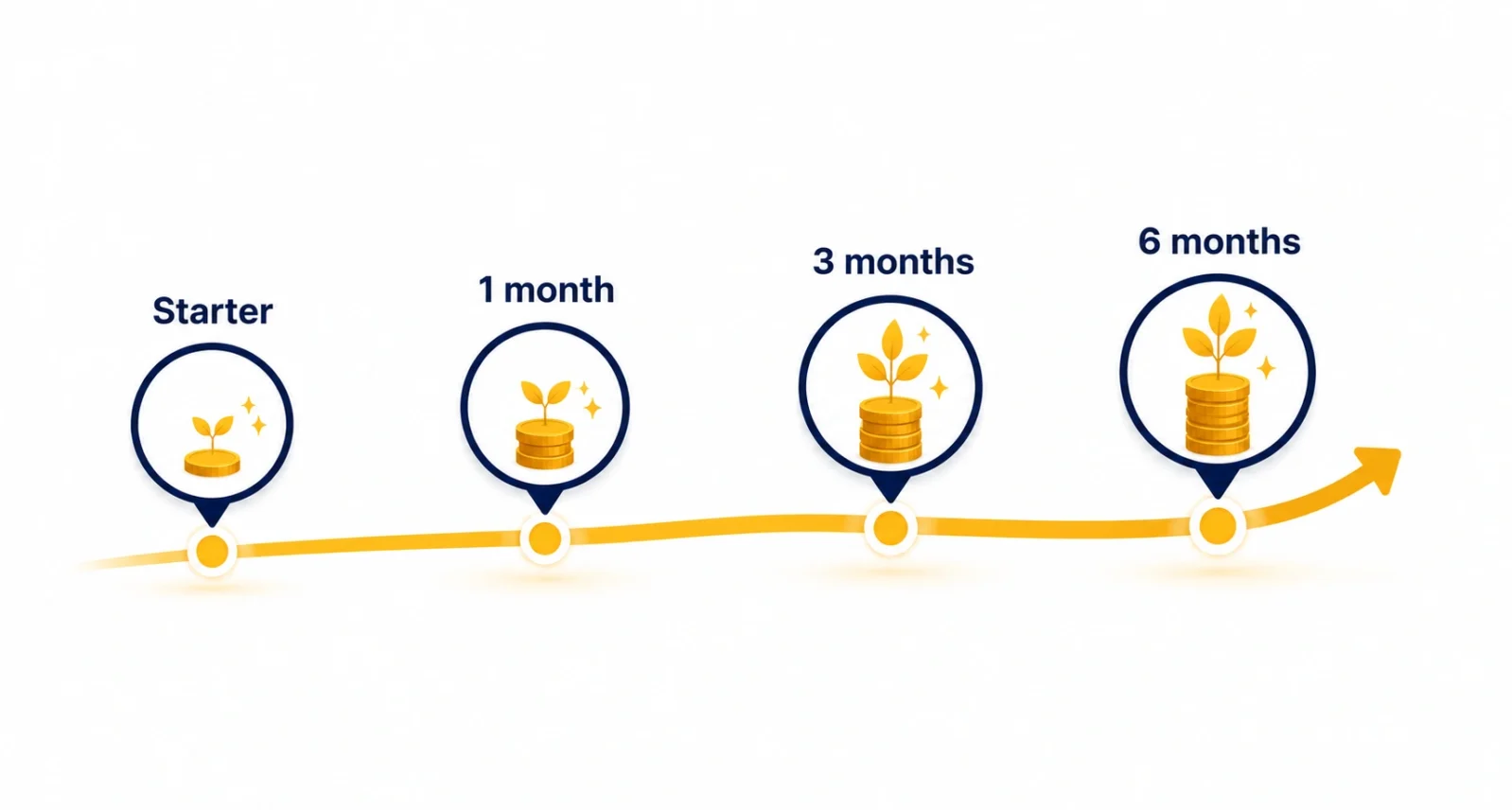
The classic advice is to save three to six months of essential expenses. That is a great long-term target, but it can feel impossible when money is tight, and that is okay. The trick is to break it into smaller milestones and celebrate each one. Start with a modest starter fund, then build from there as you go.
| Savings Goal | What It Covers | Best For |
| Starter fund: $500 to $1,000 | Small surprises like a car or home repair | Getting started quickly |
| One month of expenses | A short gap in income | Building early momentum |
| Three months of expenses | A solid, reliable safety net | Most households |
| Six months of expenses | Extra breathing room | Freelancers or single-income homes |
Even reaching that first $1,000 makes a big difference. Research shows it sharply lowers the odds of raiding long-term savings when trouble hits. So aim small first, then keep climbing.
How to Build an Emergency Fund on a Tight Budget: 7 Simple Steps
Here is a clear, step-by-step plan you can start today, whatever your income looks like.
- Set a small, specific goal. A vague plan to “save more” rarely sticks. Pick a clear first target, such as $500 or $1,000. A specific number is motivating and feels achievable.
- Open a separate savings account. Keep your emergency money apart from your checking account so it is not sitting there tempting you. A high-yield savings account is ideal, since it stays easy to reach while earning a little interest.
- Automate your savings. Set up an automatic transfer for the day after payday, even if it is just five or ten dollars. Paying yourself first, before the money can disappear, is the single most reliable way to save.
- Trim small, recurring expenses. Review your subscriptions, takeout, and impulse buys. Cutting even one or two and redirecting that cash to savings adds up faster than you would expect over a year.
- Put every windfall to work. Send tax refunds, work bonuses, cash gifts, and cash-back rewards straight into your fund. This money is not part of your normal budget, so you will barely miss it.
- Earn a little extra. A short side gig or selling items you no longer use can give your fund a real boost. Even a small, occasional top-up speeds things along.
- Protect it and keep going. Use the fund only for genuine emergencies, and refill it whenever you dip in. A missed month is not a failure, so just restart and keep the habit alive.
Where Should You Keep Your Emergency Fund?
The right home for your fund is safe, easy to reach, and separate from your daily spending. A dedicated high-yield savings account checks all three boxes. Your money stays protected, you can get to it within a day or two if you need it, and it is out of sight from your regular checking. Avoid tying it up in investments like stocks. This money needs to be steady and available, not exposed to a market dip on the exact day you need it.
Common Mistakes to Avoid
A few simple missteps can slow you down. Watch out for these.
- Keeping it in your checking account, where it is far too easy to spend by accident.
- Dipping into it for non-emergencies. A holiday sale or a new gadget does not count.
- Investing it in the stock market, which puts the money at risk right when you may need it most.
- Giving up after one rough month. Setbacks happen, so just start again and keep moving.
Learning how to build an emergency fund is one of the most freeing things you can do for your finances, and you do not need a big income to start. Begin with a small goal, automate what you can, and treat every extra dollar as a chance to grow your safety net. The habit is what counts, not the size of each deposit.
Before long, that small cushion becomes real security, and the next curveball becomes a manageable bump instead of a crisis. Want to strengthen your finances further? Our guides on improving your credit score and the best side hustles are great next steps.
Frequently Asked Questions
How much should an emergency fund be?
A common goal is three to six months of essential expenses. On a tight budget, start smaller with a $500 to $1,000 starter fund, then build up over time. The right amount depends on your income, your bills, and how stable your job is.
Where should I keep my emergency fund?
Keep it somewhere safe, accessible, and separate from your checking account, such as a high-yield savings account. That way it earns a little interest and stays easy to reach, without tempting you to spend it on everyday purchases.
How do I build an emergency fund if I live paycheck to paycheck?
Start as small as you need to, even a few dollars per payday. Automate the transfer so it happens without thinking, trim one or two small expenses, and add any windfalls like a tax refund. The habit matters far more than the amount at first.
What counts as a real emergency?
A real emergency is an urgent, necessary, and unexpected expense. Think a car repair you need to get to work, a medical bill, or covering rent after a loss of income. Planned costs and wants, like a sale or a vacation, do not qualify.
How long does it take to build an emergency fund?
It depends entirely on how much you can save and how often. Saving a small amount each week, plus the occasional windfall, can build a starter fund in a few months. Reaching several months of expenses takes longer, and that is perfectly normal.
Should I save or pay off debt first?
A common approach is to build a small starter fund first, then focus on high-interest debt, so a new surprise does not push you deeper into borrowing. Because everyone’s situation differs, it can help to map this out with a financial professional.