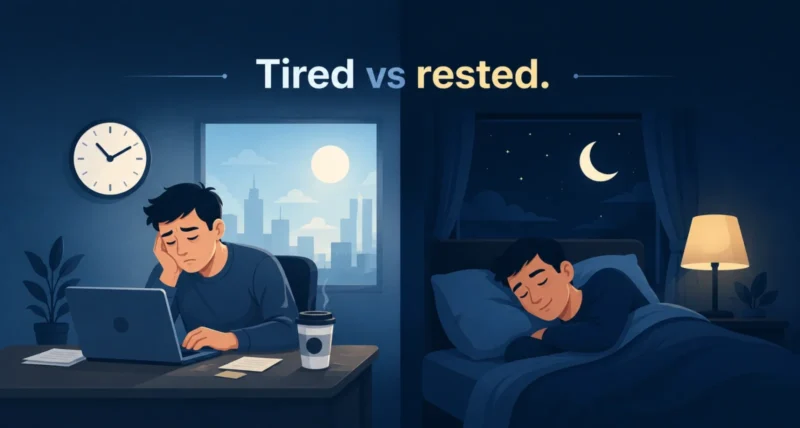
Do you drag yourself out of bed every morning, rely on coffee to function, and feel foggy by mid-afternoon? You are not alone, and it might be more than a busy schedule. Millions of people run on too little rest without realizing the toll it takes. The tricky part is that the signs you’re not getting enough sleep often creep up slowly and are easy to brush off. In this guide, you will learn the most common warning signs, why they matter for your health, and simple steps to start sleeping better tonight.
| Quick Take Short on time? Here is the gist. Most adults need at least seven hours of sleep, yet more than a third fall short. The signs you’re not getting enough sleep show up in your body, mind, mood, and daily habits: think constant tiredness, brain fog, irritability, and leaning on caffeine. The good news is that better sleep is very fixable. A steady schedule, a screen-free wind-down, a cool dark bedroom, and smarter caffeine timing can make a real difference, often within a week or two. |
How Much Sleep Do You Really Need?
Before spotting the signs, it helps to know the target. For most adults, the CDC and sleep experts recommend at least seven hours of good-quality sleep each night. Some people feel their best closer to eight or nine. The exact number varies from person to person, but consistently getting under seven hours is where problems tend to start. And this is common. More than a third of US adults regularly fall short, so if that is you, know that you are in very good company and that it can be fixed.
Common Signs You’re Not Getting Enough Sleep
Sleep deprivation rarely announces itself. The symptoms build gradually, which makes them easy to blame on stress, age, or a hectic week. According to the Sleep Foundation, the effects touch both mind and body. Here are the most common signs, grouped by where you tend to notice them.
| Where You Notice It | Common Signs |
| Your body | Constant tiredness, cravings for sugar and carbs, getting sick more often, headaches |
| Your mind | Brain fog, trouble focusing, forgetfulness, and more mistakes than usual |
| Your mood | Irritability, mood swings, and feeling anxious or easily overwhelmed |
| Your habits | Leaning on caffeine, hitting snooze, dozing off during the day, needing an alarm to wake |
Notice a few of these in yourself? That is your body asking for more rest. One quick gut check: if you regularly need several cups of coffee just to feel awake, or you fall asleep the instant your head hits the pillow, you are likely running a sleep deficit.
Why Too Little Sleep Is a Big Deal
Skimping on sleep now and then is normal, but a steady shortfall adds up. Over time, running low on sleep is linked to a higher risk of serious health issues, including high blood pressure, heart disease, stroke, type 2 diabetes, and a weaker immune system. It also affects your mood and mental health, raising the risk of anxiety and depression. There is a safety side, too. Drowsiness slows your reaction time and can cause micro-sleeps, brief moments of nodding off that are especially dangerous behind the wheel. The encouraging part is that these risks ease as your sleep improves, which is exactly what the next section covers.
How to Fix It: Simple Steps for Better Sleep
Here is the best news of all. Most sleep problems respond well to a few consistent habits, often called sleep hygiene. You do not need to do everything at once, so pick one or two to start. Guidance from Mayo Clinic and other sleep experts points to these steps.
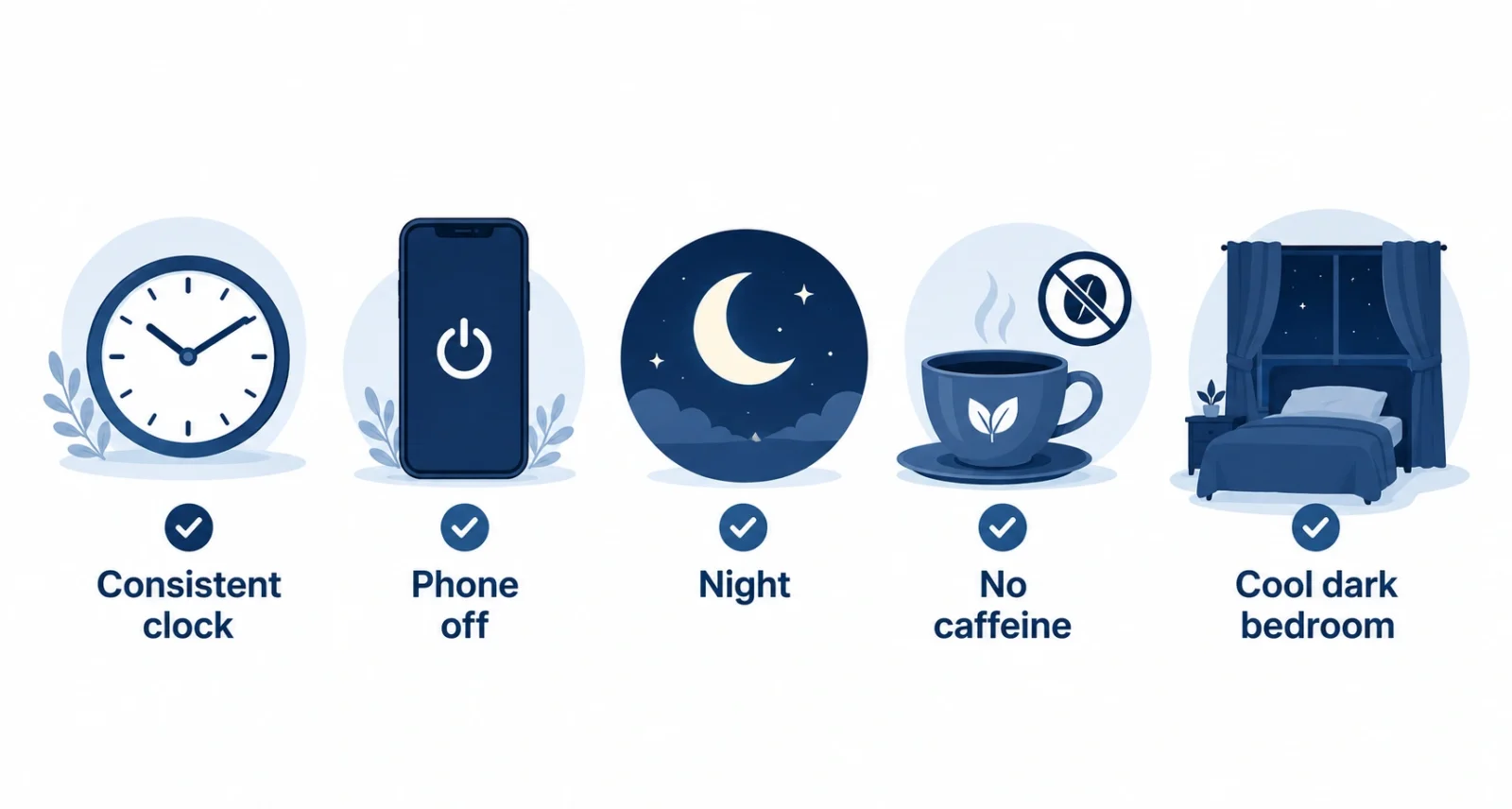
- Keep a consistent schedule. Go to bed and wake up at the same time every day, even on weekends. Nothing sets your body clock better than a steady rhythm.
- Wind down before bed. Give yourself 30 to 60 minutes of calm before sleep. Dim the lights, stretch, read, or listen to something soothing to signal that the day is ending.
- Power down your screens. Switch off phones, tablets, and TVs at least half an hour before bed. Their bright light can trick your brain into staying alert when you want to feel sleepy.
- Time your caffeine and alcohol. Skip caffeine in the afternoon and evening, since it lingers for hours. Go easy on alcohol too, as it disrupts sleep quality even if it helps you nod off.
- Make your bedroom a sleep zone. Keep it dark, cool, quiet, and comfortable. Blackout curtains, earplugs, or a fan can help block out whatever gets in the way.
- Move your body and catch morning light. Regular daytime exercise helps you sleep deeper, and a little morning sunlight keeps your body clock on track. Just avoid intense workouts right before bed.
- Keep naps short. If you nap, keep it under 30 minutes and earlier in the day. Long or late naps can make it harder to fall asleep at night.
- Do not force it. If you are still awake after about 20 minutes, get up and do something relaxing in low light, then return to bed when you feel sleepy. Lying there frustrated only makes it harder.
When to See a Doctor
Sometimes better habits are not enough, and that is worth paying attention to. If you still feel exhausted after consistently getting enough hours, or your sleep troubles last for weeks, it may be time to check in with a doctor. As Cleveland Clinic notes, certain signs can point to an underlying sleep disorder, such as sleep apnea. Watch for loud snoring, gasping or pauses in breathing during sleep, morning headaches, or heavy daytime sleepiness. A healthcare provider can help find the cause and the right treatment, so there is no need to tough it out alone.
The signs you’re not getting enough sleep are easy to miss, but once you spot them, you can do something about them. Constant tiredness, brain fog, and a shorter fuse are your body’s way of asking for more rest, not flaws to push through.
Start with one or two small changes tonight, like a fixed bedtime or a screen-free wind-down, and build from there. Since evening screen time is such a common culprit, our guide on how to stop doomscrolling pairs perfectly with better sleep, and if late nights come from putting things off, our take on procrastination is worth a read too.
Frequently Asked Questions
How many hours of sleep do adults need?
Most adults need at least seven hours of good-quality sleep per night, and many feel best with seven to nine. The right amount varies by person, but regularly getting under seven hours is where health and focus tend to suffer.
What are the first signs of sleep deprivation?
Early signs include daytime tiredness, trouble concentrating, irritability, and relying on caffeine to get going. Because they build slowly, these signs are easy to overlook or blame on a busy schedule.
Can you catch up on lost sleep on the weekend?
Sleeping in can ease short-term tiredness a little, but it does not fully undo the effects of a week of short sleep, and it can throw off your schedule. A steady routine every day works far better than a weekend catch-up.
Why am I still tired even after eight hours of sleep?
You may be getting enough hours but poor-quality sleep, from stress, alcohol, an irregular schedule, or an issue like sleep apnea. Frequent waking or feeling unrefreshed despite enough time in bed is worth discussing with a doctor.
How can I fall asleep faster?
A calming wind-down helps: dim the lights, switch off screens, keep the room cool and dark, and try to relax rather than watch the clock. If you are still awake after about 20 minutes, get up briefly and return when you feel sleepy.
What is the difference between sleep deprivation and insomnia?
Sleep deprivation usually means you could sleep well but do not make enough time for it. Insomnia is when you have the chance to sleep but struggle to fall or stay asleep. Ongoing insomnia is worth raising with a healthcare provider.